How to Restore Rusty Metal Patio Furniture
This guide contains affiliate links. As an Amazon Associate I earn from qualifying purchases. Disclosure.
Rusty patio chairs and tables are usually mild steel (tubular frames and mesh) or cast iron (heavier ornamental pieces), left outdoors year after year. Paint cracks at welds and feet, water gets in, and the set starts leaving orange rings on the concrete. Most of them are still worth saving if the tubes aren't rusted through. This is the order I use, and it mirrors what I do on railings and outdoor iron through Music City Laser Cleaning in the Hendersonville / Nashville area.
1. Inspect: repair, replace, or restore?
- Poke the worst spots with a screwdriver — especially tube walls near feet, welds under the seat, and any cast scrollwork. Flaking surface rust is fine. Soft, crumbly metal or a screwdriver that goes through means that section needs a welder, a patch, or that piece replaced.
- Check welds, bolts and castings. Cracked welds, missing bolts and hairline cracks in cast iron are structural before they are cosmetic. Tighten or replace fasteners; get cracked castings welded by someone who works cast iron, or retire that piece.
- Thin tube walls on cheap patio sets often look worse than they are, but if the feet are mostly rusted away, plastic glides won't save them — cut and sleeve, or replace the chair.
- Decide repair vs. replace. A solid frame with ugly paint is a weekend DIY. A set with multiple collapsed tubes usually costs more in time and welding than a replacement set. My DIY vs. pro cost guide helps frame that trade-off.
2. Identify the metal
- Steel / "wrought" tubular frames: magnetic, orange rust. This guide is mainly for these.
- Cast iron: heavy, magnetic, often ornate. Same rust chemistry; more brittle — don't pry hard on thin scrolls. See also restoring cast iron for outdoor fixtures.
- Aluminum: not magnetic, and it does not make orange rust. It gets a white/gray oxidation and often a chalky clear coat. Don't treat aluminum with steel rust converters or aggressive steel wire wheels the same way; use aluminum-safe cleaners and coatings. If a magnet won't stick, stop and identify before you buy rust chemicals.
3. Lead paint on older sets
Patio furniture painted before 1978 can have lead paint, especially inherited wrought or cast pieces. Test before sanding, scraping or wire-wheeling. If the test is positive, follow lead-safe work practices (containment, HEPA cleanup, no dry sanding dust in the house) or hire an EPA RRP-certified contractor. The warning box above covers the basics.
4. Strip cushions, hardware, then wash
- Remove cushions, slings, glass tops and any plastic clips. Wash fabric separately or replace it; don't try to de-rust around foam.
- Bag out bolts, glides and decorative caps you can. Soak rusty fasteners — see how to loosen rusted, seized bolts and how to remove rust from tools.
- Wash the frame with a degreasing cleaner and water to remove pollen, sunscreen residue, grill grease and chalky paint. Rinse and let it dry fully. Paint and converters don't stick to grime.
- Skip blasting a hollow tube frame with a high-PSI washer. Water forced into undrained tubes sits inside and rusts from within. A garden hose and brush are enough for most sets.
5. Mechanical: knock off loose scale
- Hand wire brush and scraper for joints, mesh and cast detail.
- Wire wheel or cup brush on a drill for flat tube faces and heavy scale. Keep the wheel moving; don't grind through thin tube walls. A flap disc is for sturdy bar stock, not thin patio tube.
- Goal: everything left is tightly bonded. Bright bare metal everywhere is nice, not required, especially in pits and mesh.
Ornate cast pieces and railings use the same mechanical approach; more railing-specific notes are in restoring rusty wrought iron railings and fences. The same outdoor-steel sequence also works on a rusty lawn mower deck; see how to restore a rusty lawn mower deck.
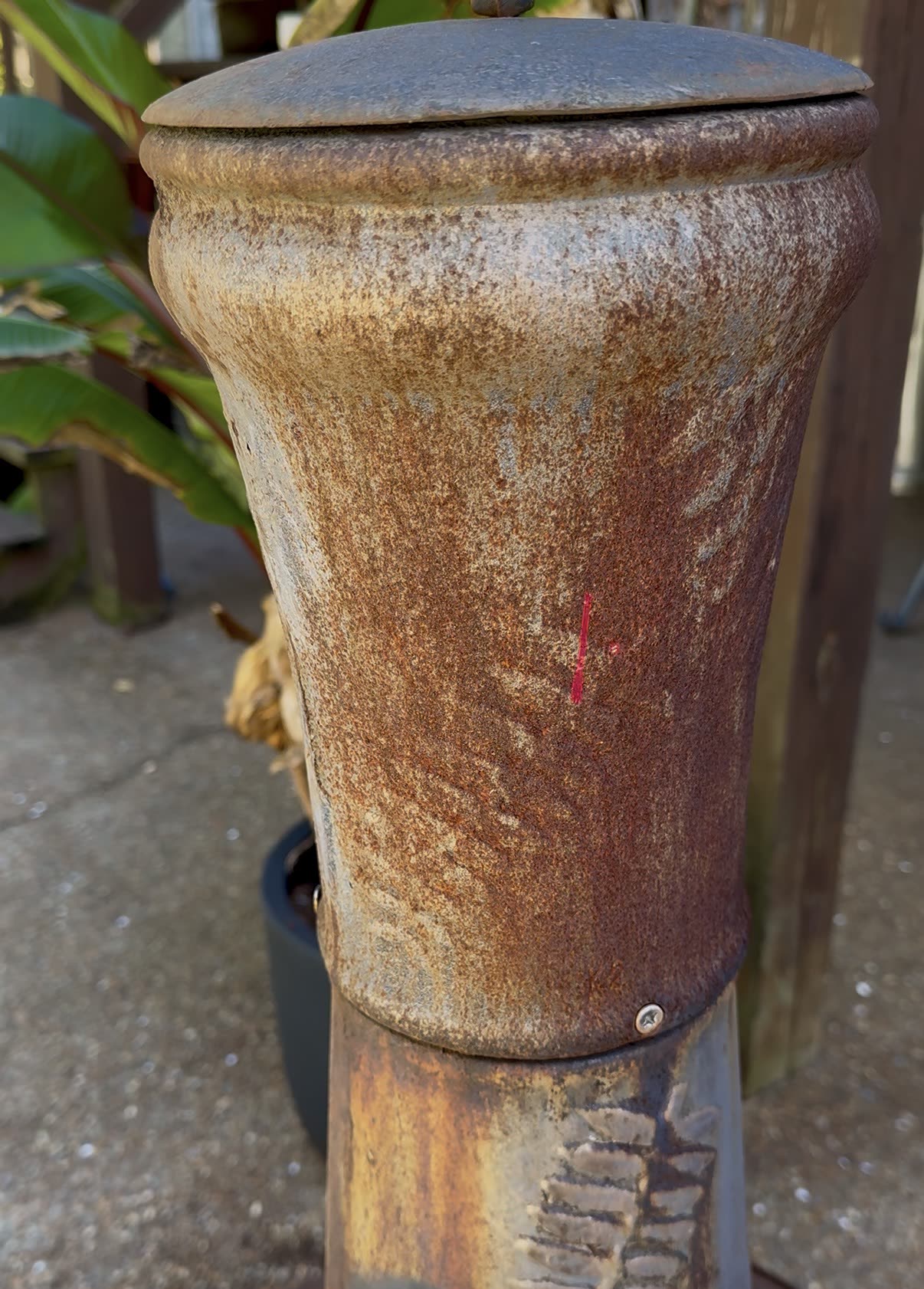
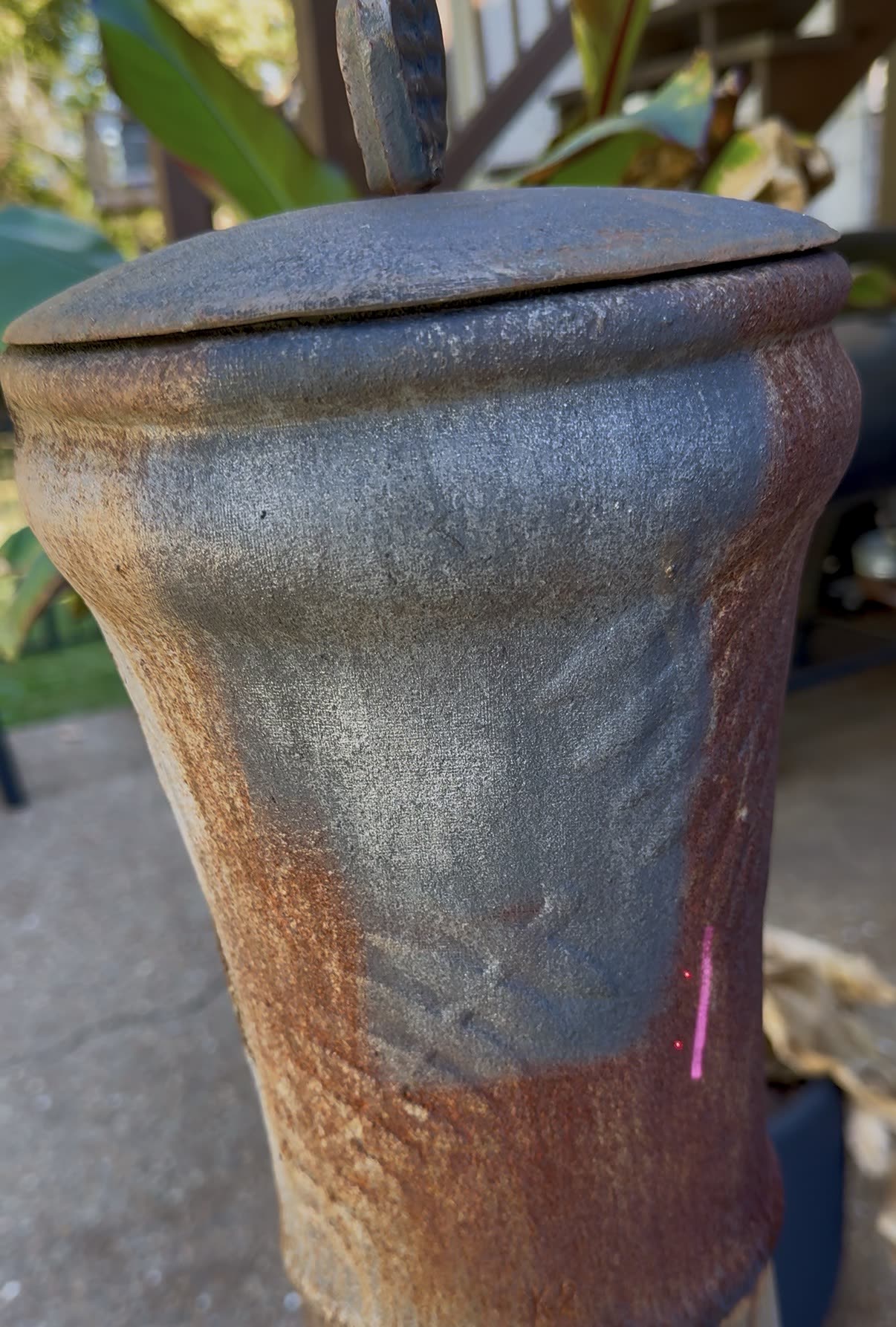
6. Chemical: removers and converters
- Chelating soaks (Evapo-Rust type) for small parts you can dunk — bolts, caps, removable armrests, table inserts. Near-neutral, reusable, won't eat sound steel. Hours to overnight.
- Gel rust dissolvers for fixed frames you can't soak. Brush or spray on, dwell per the label, agitate, rinse well, dry immediately.
- Rust converters for pits and mesh you can't fully strip. They turn remaining rust into a stable, usually black, paintable layer. Don't put converter on loose scale or on clean shiny steel. Which chemistry fits is in rust converters compared.
Dry the frame completely before priming. Bare steel flash-rusts outdoors in hours, especially in humid Tennessee weather.
7. Same-day prime and topcoat; stop the patio stains
- Prime the same day you expose bare metal. Use a rust-inhibiting metal primer or a converter-primer system on remaining tightly bonded rust. Two thin coats beat one heavy coat. More on paint lasting: prepping metal before painting.
- Topcoat with an exterior enamel / "Stops Rust" style system rated for outdoor metal. Satin or gloss hides touch-ups. Spray cans are fast on spindles and mesh; a brush works paint into welds and pits. Stay inside one compatible product line when you can.
- Paint in dry, mild weather within the can's temperature range, after dew burns off, with rain not expected before cure.
- Add plastic or rubber feet / glides under every leg. Metal feet on damp concrete keep rusting and leave the orange rings that send people looking for stain removers. If the patio is already stained, clean it after the furniture is fixed: how to remove rust stains from concrete.
- Replace missing bolts with stainless or coated fasteners and a dab of anti-seize if you ever want them apart again.
8. When to hire a pro (or use laser / blast)
A pair of chairs with surface rust is a solid DIY weekend. A whole dining set with heavy scale in mesh, lead paint, collapsed tubes, or cast pieces that need welding is where a shop or mobile pro earns their keep — media blasting or laser cleaning gets into crevices a wire wheel can't, then you still need same-day primer. Method trade-offs: laser vs. sandblasting vs. chemical stripping. Around Nashville / Hendersonville, I run Music City Laser Cleaning for rust and coating removal on outdoor metal, including heavy patio frames and railings that are past a weekend wire-brush job.
Quick checklist
- Screwdriver poke — not rusted through
- Magnet check (steel/cast vs. aluminum)
- Lead test if paint may be pre-1978
- Cushions and hardware off; wash and dry
- Wire-brush loose scale (don't grind thin tube away)
- Soak small parts; gel or convert the frame
- Prime and enamel the same day
- New plastic feet so the patio stays clean
Products for this job
- Evapo-Rust ER012 (1 gallon) Near-neutral chelating soak for bolts, caps and small removable patio parts; rinse and dry right away. Check price on Amazon
- Rust-Oleum Rust Dissolver Spray Gel, 32 oz Gel that clings to fixed frames and mesh you cannot dunk; follow dwell time and rinse well. Check price on Amazon
- Amazon Basics brass wire brushes (3-pack) Gentler detail brushing around welds, mesh and fasteners than coarse steel. Check price on Amazon
- Rocaris 6-piece wire wheel and cup brush set for drill Fast on heavy scale on sturdy tube and bar; wear a face shield and go light on thin walls. Check price on Amazon
- Rust-Oleum Stops Rust Rust Reformer spray Converts light remaining rust into a paintable surface before primer/topcoat. Check price on Amazon
- Corroseal water-based rust converter & primer (1 gallon) Converter-primer for larger frames; still needs a compatible outdoor topcoat. Check price on Amazon
- Outdoor metal enamel / Stops Rust spray paint Exterior topcoat made for metal patio furniture; match primer and paint systems when you can. Check price on Amazon
- Plastic furniture feet / glides Keep metal legs off damp concrete so the set stops leaving rust rings on the patio. Check price on Amazon
- Chemical-resistant nitrile gloves For removers, converters and paint. Check price on Amazon
FAQ
Can I paint over rust on patio furniture?
Only after removing everything loose. Paint over flaking scale fails fast. Wire-brush to tightly bonded rust or bare metal, convert what's left in pits if needed, then prime and topcoat the same day.
How do I tell aluminum patio furniture from steel?
Use a magnet. Steel and cast iron stick; aluminum does not. Aluminum gets white/gray oxidation, not orange rust, and needs aluminum-safe cleaners and coatings — not steel rust converters.
Will a pressure washer strip rust off patio chairs?
It can knock off loose dirt and some flaking paint, but it will not dissolve rust in pits, and high PSI can force water into hollow tubes where it rusts from the inside. Wash gently, then use mechanical and chemical rust removal.
Do I need a rust converter or a rust remover?
Removers (soaks/gels) take rust off parts you can clean thoroughly. Converters stabilize rust left in pits and mesh you cannot fully strip, so you can prime over it. Many jobs use both: remove what you can, convert the rest. See the converters comparison guide.
How do I stop patio furniture from staining concrete again?
Restore and paint the metal so it stops shedding rust, then install plastic or rubber feet/glides under every leg and keep the set from sitting in standing water. Clean existing stains with a concrete rust remover after the source is fixed.
When is rusty patio furniture not worth saving?
When tube walls are rusted through, welds are failed in load-bearing spots, or cast pieces are cracked beyond a sensible weld repair. At that point replacement is usually cheaper than welding every leg.