How to Restore a Rusty Lawn Mower Deck
This guide contains affiliate links. As an Amazon Associate I earn from qualifying purchases. Disclosure.
By late mowing season in Tennessee — November, when a lot of us are putting the mower away for winter — the underside of a stamped-steel walk-behind or riding deck is often a packed cake of wet grass and orange rust. That grass holds moisture against the pan all season. Most decks are still worth saving if they aren't rusted through. This is the order I use at home. Through Music City Laser Cleaning in Hendersonville / Nashville I also strip rust and coatings off equipment for customers, but a typical homeowner deck does not need a laser; it needs scraping, an honest inspection, and a same-day prime and paint.
1. Inspect: repair, replace, or restore?
- Poke the thin spots with a screwdriver — the cutting-chamber floor, the lip around the discharge, and the metal around spindle openings. Flaking surface rust is fine. Soft, crumbly steel or a screwdriver that goes through means that section needs a patch, a shop, or a replacement deck.
- Look at baffles and spindles. Collapsed or missing baffles change how the deck cuts and bags. A seized spindle that needs bearings, a housing, or shop work can cost more than the deck is worth on an older walk-behind.
- Holes in the cutting chamber are a safety and performance problem, not just rust. A deck that throws grass (or worse) through a hole in the pan is past a weekend paint job.
- Magnet test. Most walk-behind and riding decks are steel: a magnet sticks, and they rust orange. Some decks and deck shells are aluminum. Aluminum is not magnetic and does not make orange rust; it gets a white or gray oxidation. Do not put steel rust converters on aluminum, and don't treat it like a rusty steel pan.
2. Prep: scrape, wash, and pull the blade
- Scrape the packed grass off the underside with a plastic scraper or putty knife. Wet clippings hold moisture against the steel; leaving them there is why the deck rusted in the first place.
- Wash and degrease the underside with an engine or degreaser cleaner and water so rust removers and paint aren't sitting on oil and sap. Rinse and dry it fully. A garden hose and brush are enough for most decks.
- Remove the blade. Photograph it first — many blades have a specific up/down or sail direction, and putting one on backwards is a common, expensive mistake. Bag the bolt, washer and any adapter so nothing walks off.
- If the blade bolt will not budge, don't round it off with an open-end wrench. Penetrating oil, the right socket, and patience are in how to loosen rusted, seized bolts. Confirm thread direction in the mower manual; some blade bolts are left-hand.
3. Mechanical: knock off loose scale
- Wire brush or a drill wire wheel / cup brush on sturdy deck steel and heavy scale. Keep the wheel moving.
- Lighter touch on thin stamped pans. A lot of walk-behind decks are thin sheet. You can grind through a rusted area if you lean on a cup brush or flap disc the way you would on thick bar stock.
- Brass brush for baffles, stamped lettering, spindle openings and fastener details where a steel wheel is too aggressive.
Goal: everything left is tightly bonded. Bright bare metal everywhere is nice, not required, especially in pits and seams.
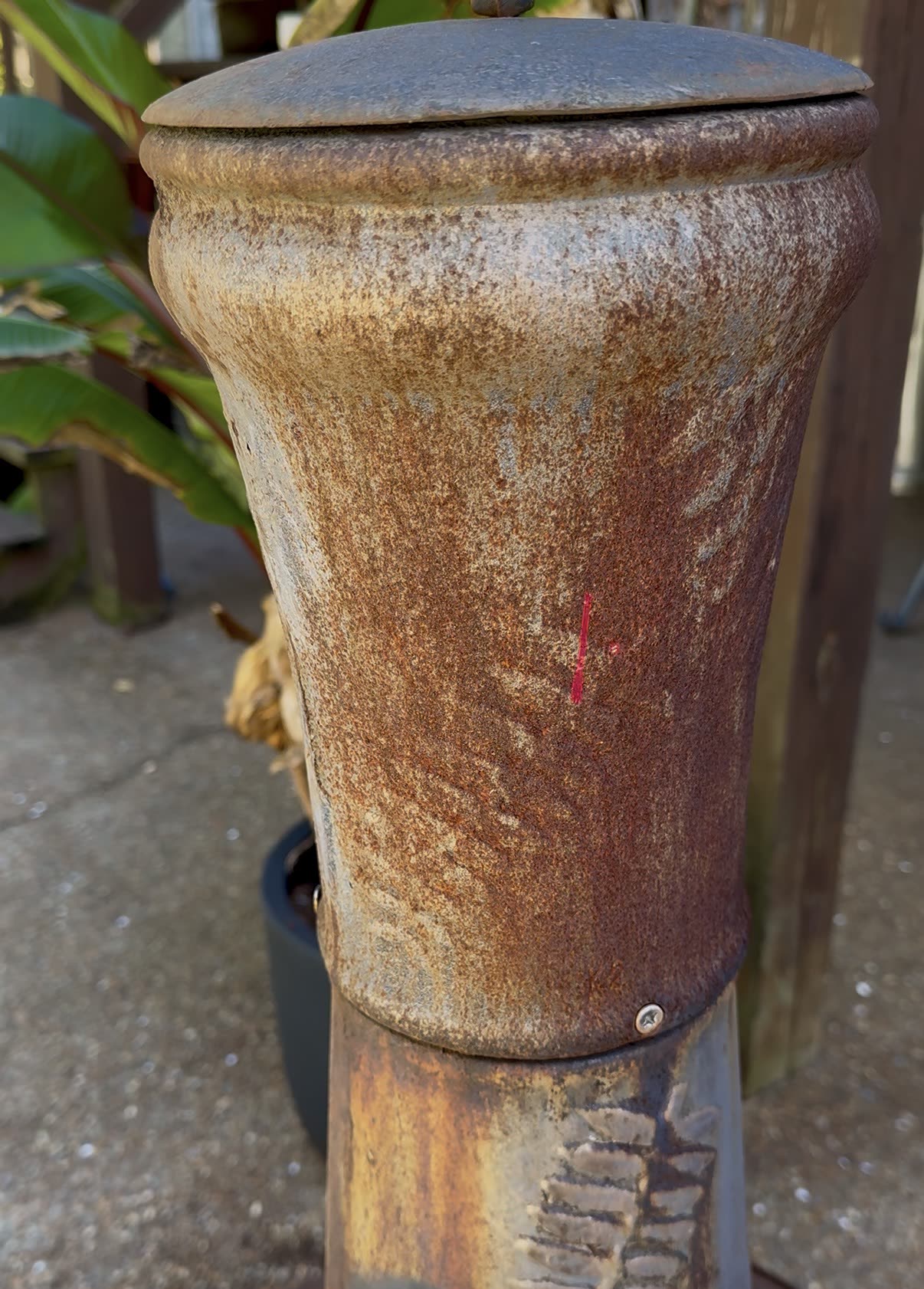
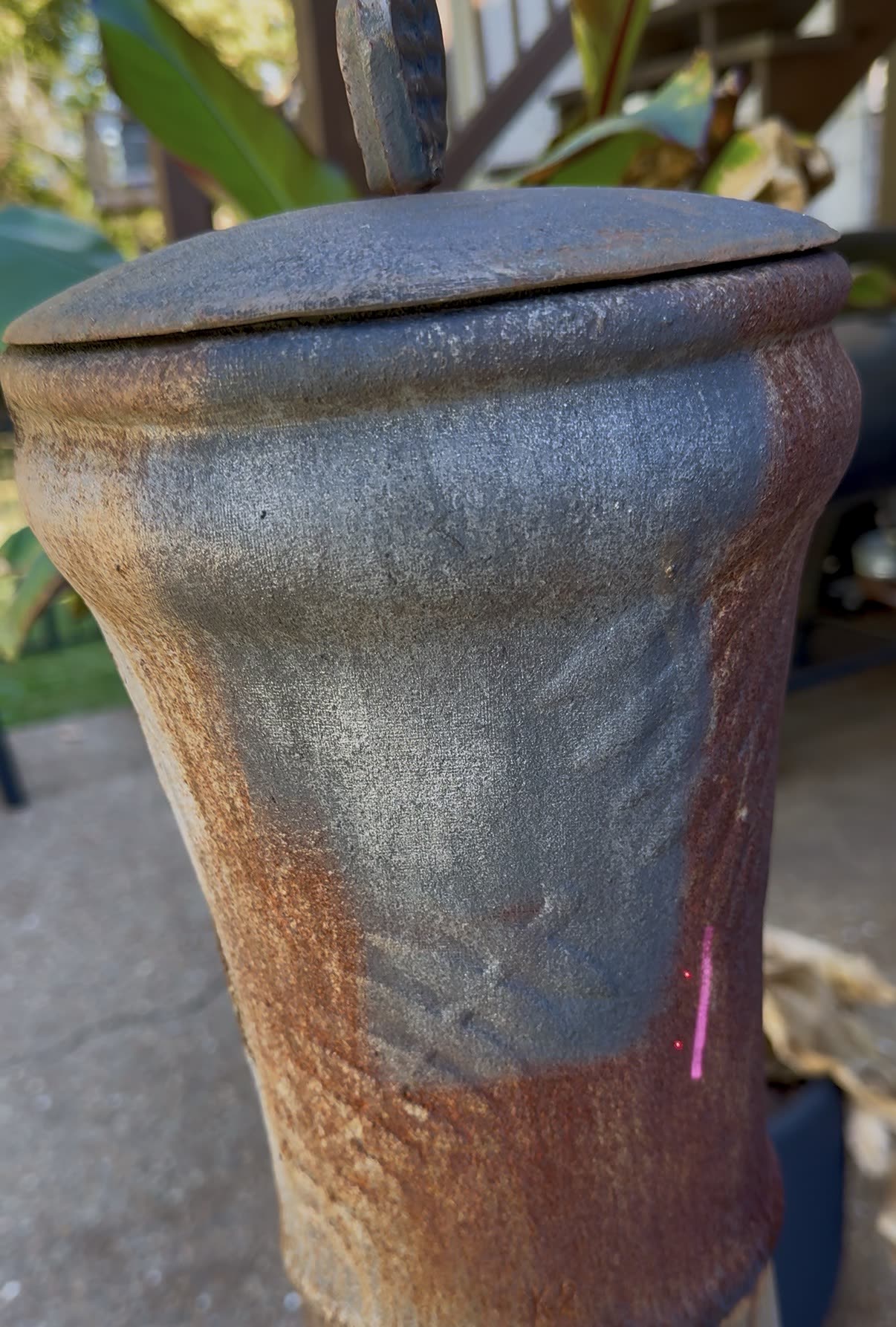
4. Chemical: removers and converters
- Chelating soaks (Evapo-Rust type) for parts you can dunk — the blade, bolts, pulley covers and any baffles that come off. Near-neutral, reusable, won't eat sound steel. Hours to overnight.
- Gel rust dissolvers for the fixed deck underside you cannot soak. Brush or spray on, dwell per the label, agitate, rinse well, and dry immediately. Freshly stripped steel flash-rusts outdoors in hours, especially in humid Tennessee weather.
- Rust converters only for tightly bonded rust left in pits and seams you cannot fully strip. They turn remaining rust into a stable, usually black, paintable layer. Don't put converter on loose scale, on grass residue, or on clean shiny steel. Which chemistry fits is in rust converters compared.
Keep removers, converters and paint off belts, tires, cables, plastic shrouds and the engine. Mask or bag anything you don't want coated, and rinse over a surface you can clean — not over the lawn if you can help it.
5. Prime and enamel the same day
- Prime the same day you expose bare metal. Use a rust-inhibiting metal primer, or a converter-primer on remaining tightly bonded rust. Two thin coats beat one heavy coat. More on paint lasting: prepping metal before painting.
- Topcoat with an outdoor equipment or implement enamel rated for mowers, tractors and weather. Stay inside one compatible primer and paint system when you can.
- Paint in dry, mild weather within the can's temperature range, after dew burns off, with rain not expected before cure. Cover the spindles, belt path and any grease fittings you still need to use.
6. Reassemble: anti-seize, orientation, torque, balance
- Put anti-seize on the blade bolt so it comes off next season instead of becoming another seized-bolt project. Anti-seize lowers friction, so follow the torque spec in the mower manual rather than leaning on a breaker bar.
- Reinstall the blade in the correct orientation — sail or lift wing the way the photo and the manual show.
- Sharpen and balance the blade before you run it. An unbalanced blade vibrates, wears the spindle and is hard on the engine. A carbide garden/mower sharpener is fine for a working edge; the sharpening notes in restoring rusty garden tools apply here too. Do not run an unbalanced blade.
7. Keep it from coming back
- Scrape the underside after you mow, especially after cutting wet grass. Packed clippings are what start the rust cycle.
- Store the mower inside or under cover. A dirty deck sitting on damp concrete rusts from below and stains the slab; if the garage floor or patio already has orange rings, see how to remove rust stains from concrete.
- A light wipe of the painted underside at the end of the season beats rediscovering scale next spring.
8. When a pro, laser or blasting makes sense
A walk-behind with surface rust and intact steel is a solid DIY afternoon. Heavy scale packed into seams, a commercial or fabricated deck, suspected lead paint, or a deck you want stripped clean before coating is where a shop or mobile pro earns their keep — media blasting or laser cleaning gets into crevices a wire wheel can't, then you still need same-day primer. Method trade-offs: laser vs. sandblasting vs. chemical stripping. Cost trade-offs: DIY vs. pro cost guide. Around Middle Tennessee, I run Music City Laser Cleaning for rust and coating removal on equipment, trailers and outdoor steel — not for historic stone. Getting ready for winter? See how to fix rust on a snow blower.
Quick checklist
- Spark plug wire (and battery) disconnected; engine cool
- Supported safely — jack stands, or flipped per the manual
- Screwdriver poke — not rusted through; magnet check (steel vs. aluminum)
- Packed grass scraped; underside washed and dry
- Blade photographed and removed; bolts bagged
- Wire-brush loose scale (don't grind thin stamped steel away)
- Soak what you can dunk; gel or convert the fixed pan
- Prime and equipment enamel the same day
- Anti-seize, correct blade orientation, torque, then sharpen and balance
Products for this job
- Evapo-Rust ER012 (1 gallon) Near-neutral chelating soak for the blade, bolts, pulleys and covers you can remove; rinse and dry right away. Check price on Amazon
- Rust-Oleum Rust Dissolver Spray Gel, 32 oz Gel that clings to the fixed deck underside you cannot dunk; follow dwell time and rinse well. Check price on Amazon
- Amazon Basics brass wire brushes (3-pack) Gentler detail brushing around baffles, spindle openings and fasteners than a coarse steel wheel. Check price on Amazon
- Rocaris 6-piece wire wheel and cup brush set for drill Fast on heavy scale on sturdy deck steel; wear a face shield and go light on thin stamped pans. Check price on Amazon
- Rust-Oleum Stops Rust Rust Reformer spray Converts tightly bonded rust left in pits and seams into a paintable surface. Check price on Amazon
- Corroseal water-based rust converter & primer (1 gallon) Converter-primer for larger deck undersides; still needs a compatible outdoor topcoat. Check price on Amazon
- AccuSharp garden tool sharpener Quick carbide sharpener for mower blades after the deck is restored; check balance before you run it. Check price on Amazon
- PB Blaster penetrating oil, 11 oz (2-pack) For a seized blade bolt: spray, tap, wait, repeat. Flammable; keep it away from sparks and the fuel system. Check price on Amazon
- Permatex anti-seize lubricant, 8 oz brush-top Brush onto the blade bolt at reassembly so it comes off next season. It lowers friction, so follow the mower manual torque. Check price on Amazon
- Outdoor equipment / implement enamel Exterior enamel made for mowers, tractors and implements; match primer and paint systems when you can. Check price on Amazon
FAQ
Can I paint over rust on a lawn mower deck?
Only after removing everything loose. Paint over flaking scale and packed grass fails fast. Wire-brush to tightly bonded rust or bare metal, convert what's left in pits and seams if needed, then prime and enamel the same day.
How do I tell an aluminum mower deck from a steel one?
Use a magnet. Steel sticks and rusts orange; aluminum does not stick and gets white or gray oxidation instead. Aluminum should not get steel rust converters or the same aggressive steel wire-wheel treatment.
Should I pressure-wash the underside of the deck?
A rinse helps after you scrape the packed grass, but high PSI on thin stamped steel, stickers, bearings and electrical parts can do more harm than good. A hose, degreaser and a scraper are enough for most homeowner decks. Get the deck dry before you de-rust or paint.
Do I need a rust converter or a rust remover?
Removers (soaks and gels) take rust off the blade, bolts and any surface you can clean thoroughly. Converters stabilize rust left in pits and seams you cannot fully strip, so you can prime over it. Many decks use both: remove what you can, convert the rest.
When should I replace the deck instead of restoring it?
When there are holes in the cutting chamber, the pan is rusted through around a spindle, baffles have collapsed, or a seized spindle and housing would cost more than a replacement deck. Surface rust and ugly paint on sound steel are worth restoring.
Is it safe to flip a walk-behind mower on its side?
Only the way the owner's manual describes, and only after the spark plug wire is disconnected and the engine is cool. Most manuals want the carburetor and air-filter side up so oil and fuel don't run into the wrong places. Never crawl under a mower held up only by the handle or a jack; use jack stands on riders.